Skip to content
PINYANG MACHINERY
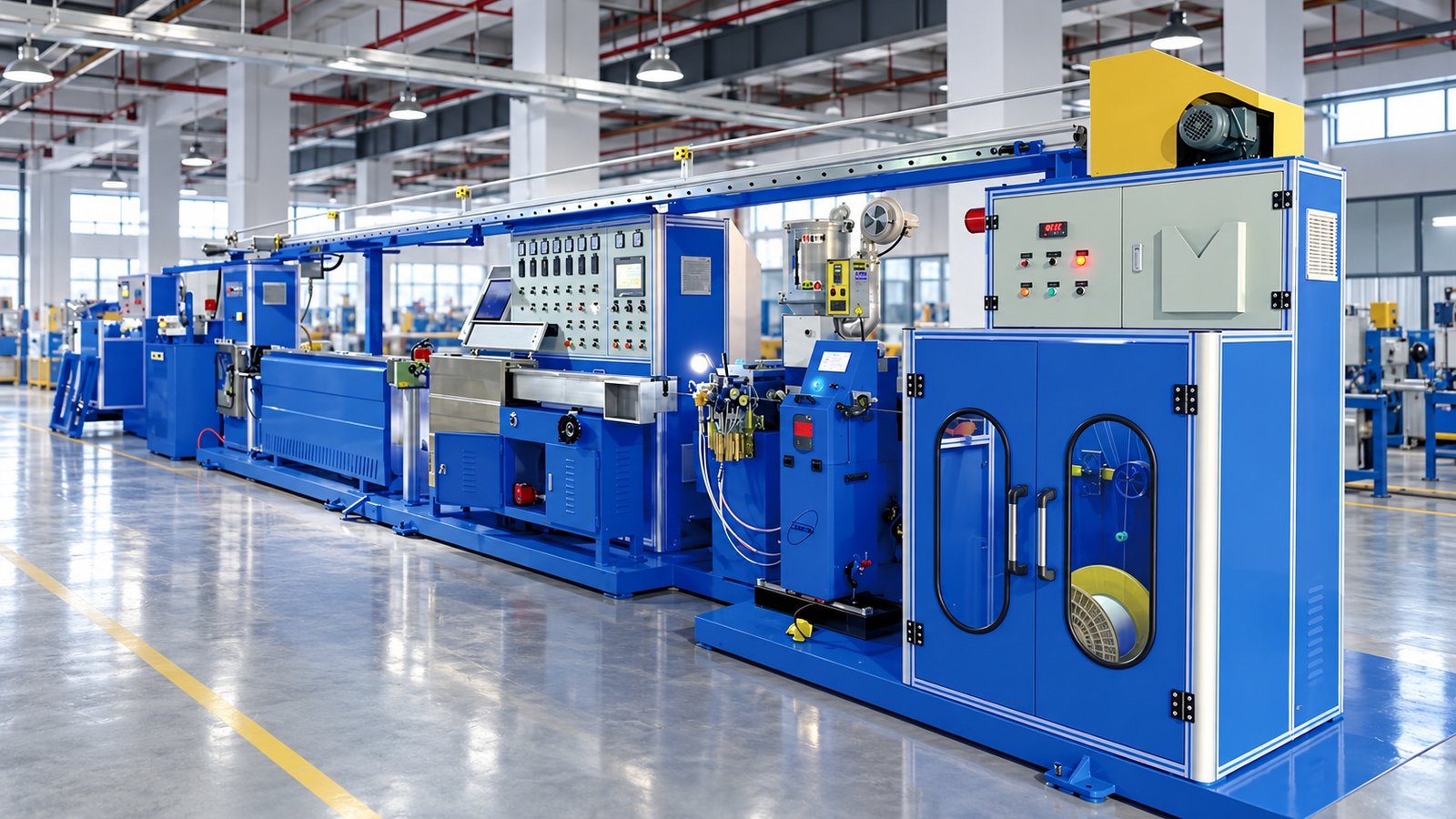
AI-generated visualization of a blue cable extrusion line in an industrial workshop

Wire & Cable Machinery Manufacturer

Drawing, bunching, twisting and extrusion equipment for single-machine purchases, line upgrades and new cable production projects.

FIND YOUR STARTING POINT

From your cable.
To the right equipment.

You do not need to know the machine name. Start with your cable, then explore what each operation does.

YOUR PRODUCT IS THE STARTING POINT

Explore the process
behind your cable.

Choose a cable to see the operations and equipment to review.

Your cable
What you want to make
The operation
What needs to happen
The equipment
What to compare next

Already buying prepared conductor or insulated cores? You may not need every upstream operation.

Size the conductor

Turn rod or larger wire into finer wire.

Drawing reduces the conductor diameter. Annealing can be included when the next operation requires it.

Starts with
Rod or wire feedstock
Becomes
Drawn wire, with annealing where specified
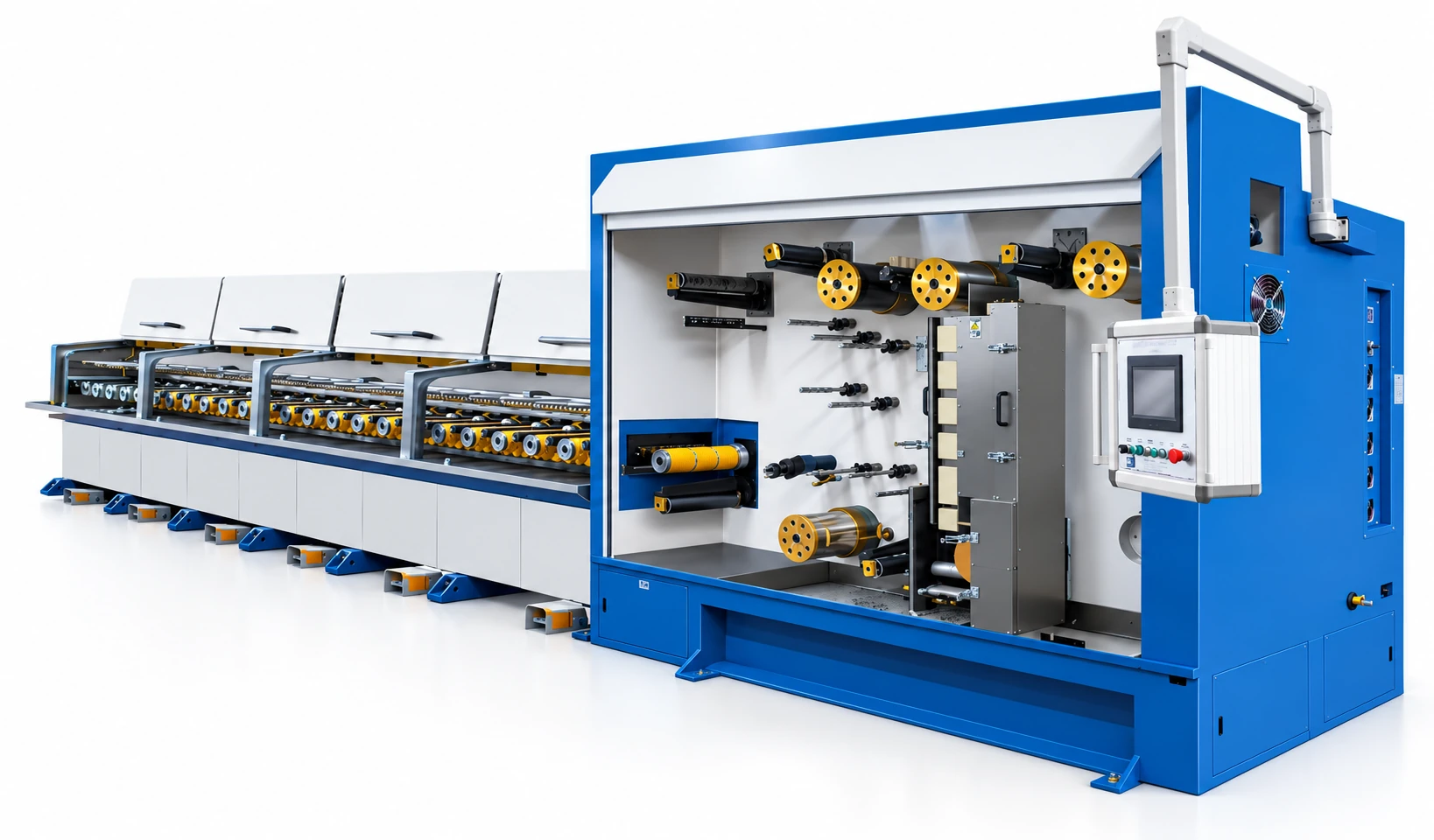
3D visualization: In-line multi-wire drawing machine with online annealer

Wire Drawing & Annealing

Before choosing a model

Incoming diameter, finished wire size and conductor material.

Combine individual wires

Make one conductor from several wires.

Bunching or stranding brings individual wires together. Wire size and conductor construction determine the machine type.

Starts with
Individual conductor wires
Becomes
Bunched or stranded conductor
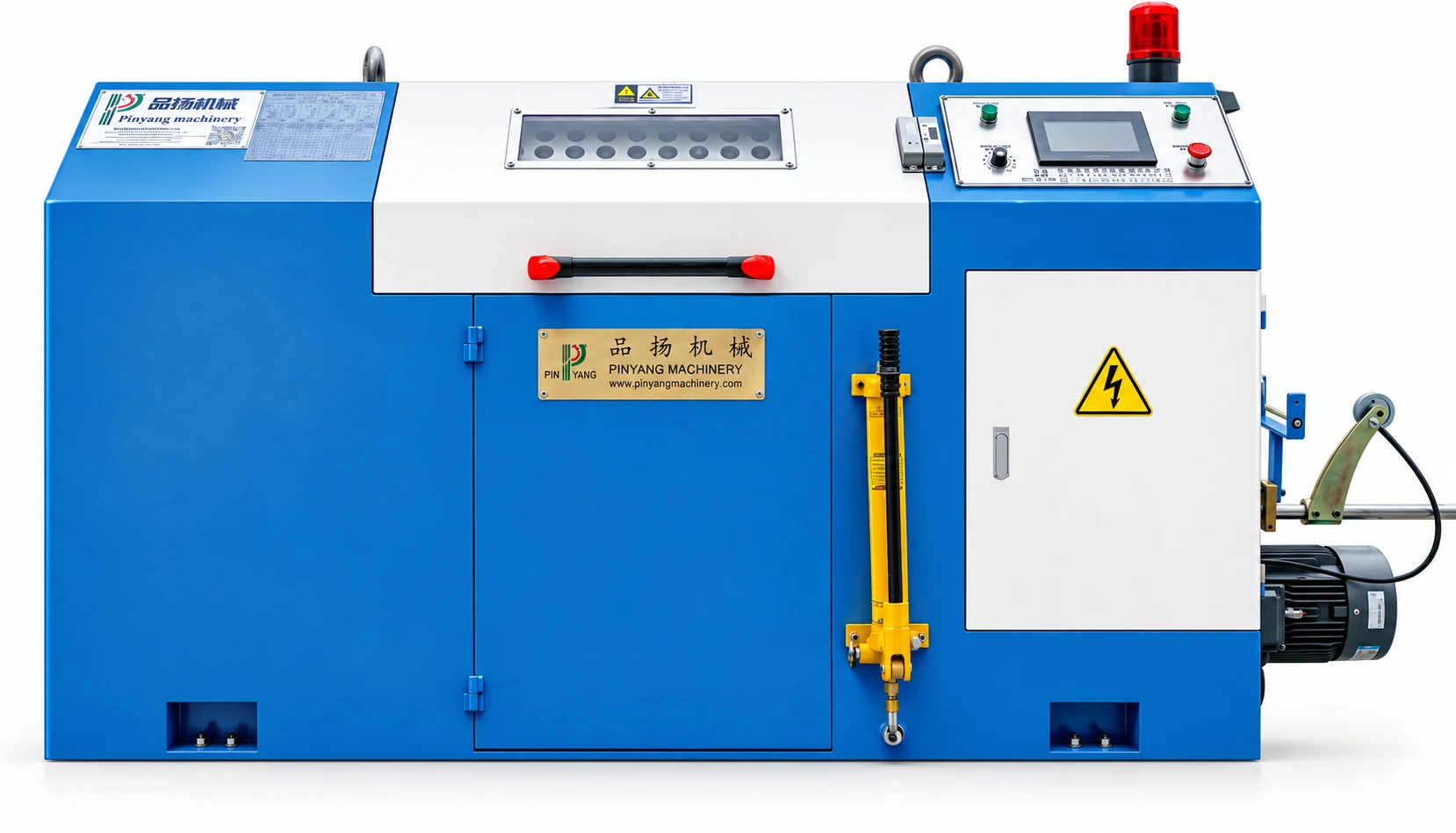
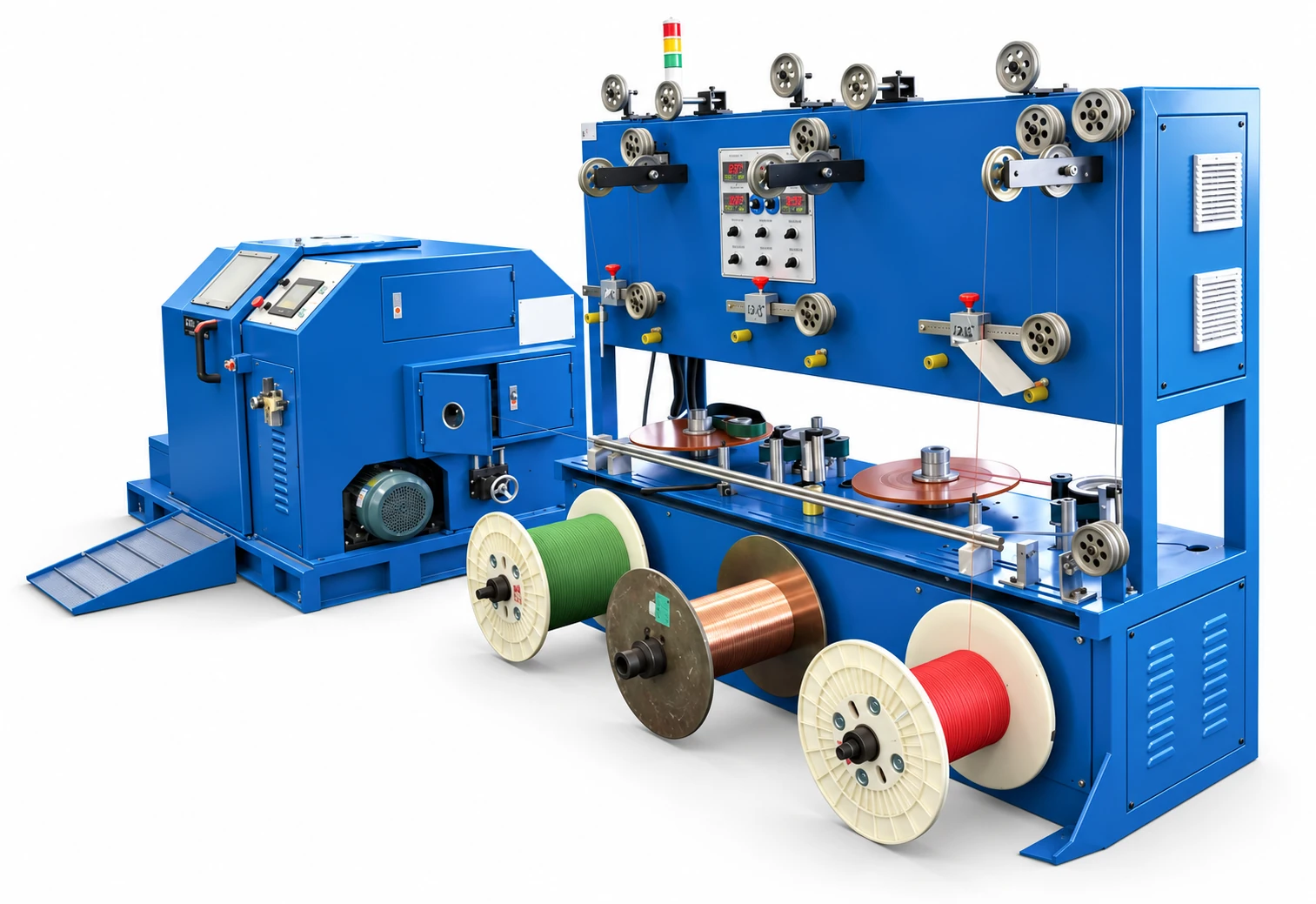
3D visualization: High-speed bunching machine

Bunching & Stranding Machines

Before choosing a model

Wire diameter, strand count, cross-section and take-up reel.

Assemble cores or pairs

Bring insulated wires into the cable structure.

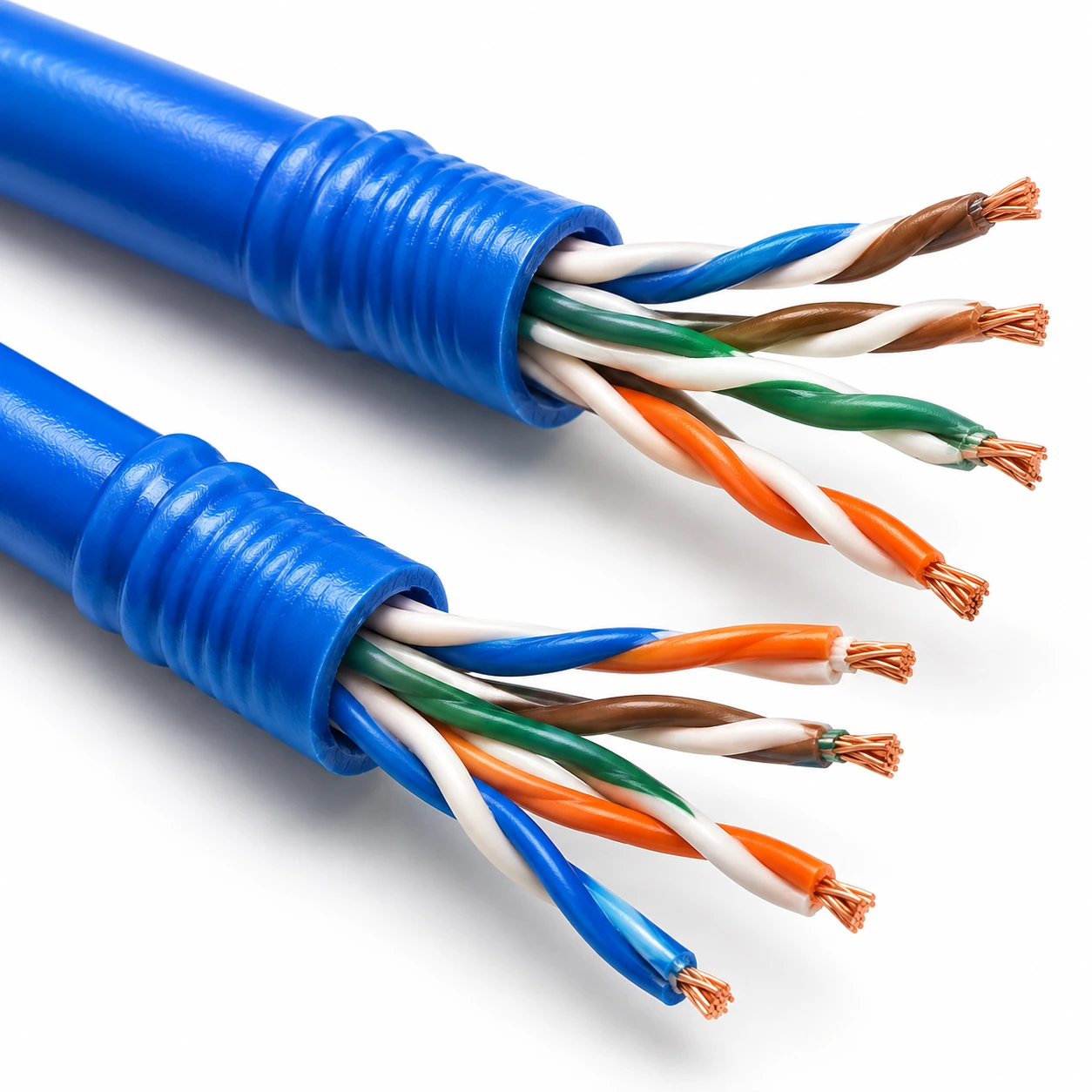
Pair twisting and final cable assembly are different duties. Choose the operation around your core or pair layout.

Starts with
Insulated cores or twisted pairs
Becomes
Paired wires or an assembled cable core
3D visualization: Cantilever single-twisting machine with material-handling stands

Twisting & Cabling Machines

Before choosing a model

Core or pair count, lay length, tension and shielding arrangement.

Apply insulation or a sheath

Cover a conductor or cable core with material.

Extrusion forms the insulation or outer sheath. The compound, layer and finished dimensions define the line configuration.

Starts with
Conductor or assembled cable core
Becomes
Insulated wire or sheathed cable
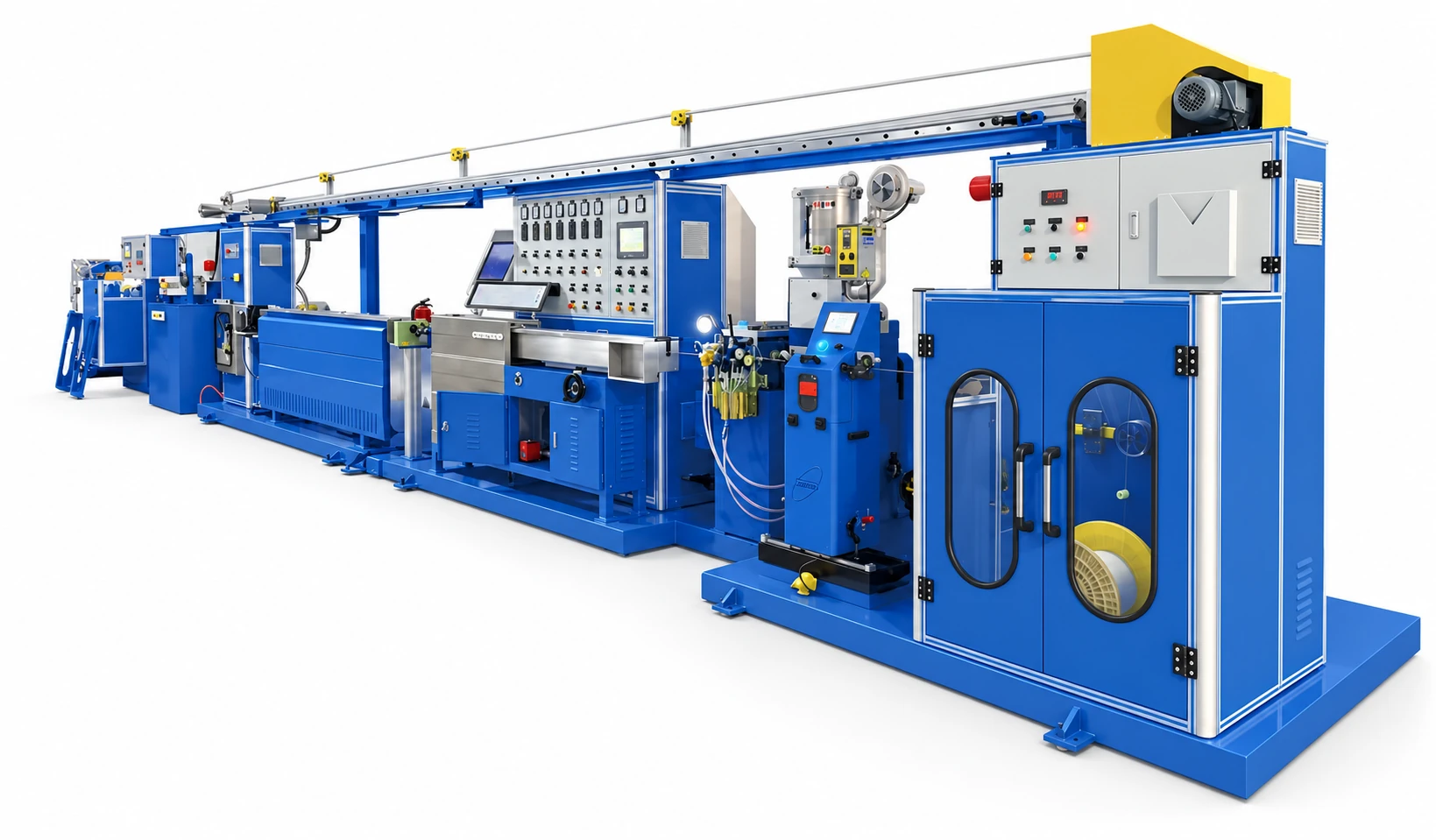
3D visualization: Ultra-fine fluoropolymer wire extrusion line

Cable Extrusion Lines

Before choosing a model

Compound grade, layer thickness, finished diameter and output.

Handle, inspect & finish

Connect the process to the finished package.

Pay-off, take-up, inspection and finishing support the main machine. Each unit must fit the product and line interfaces.

Starts with
Wire or cable at the relevant process stage
Becomes
Handled, inspected or packaged product
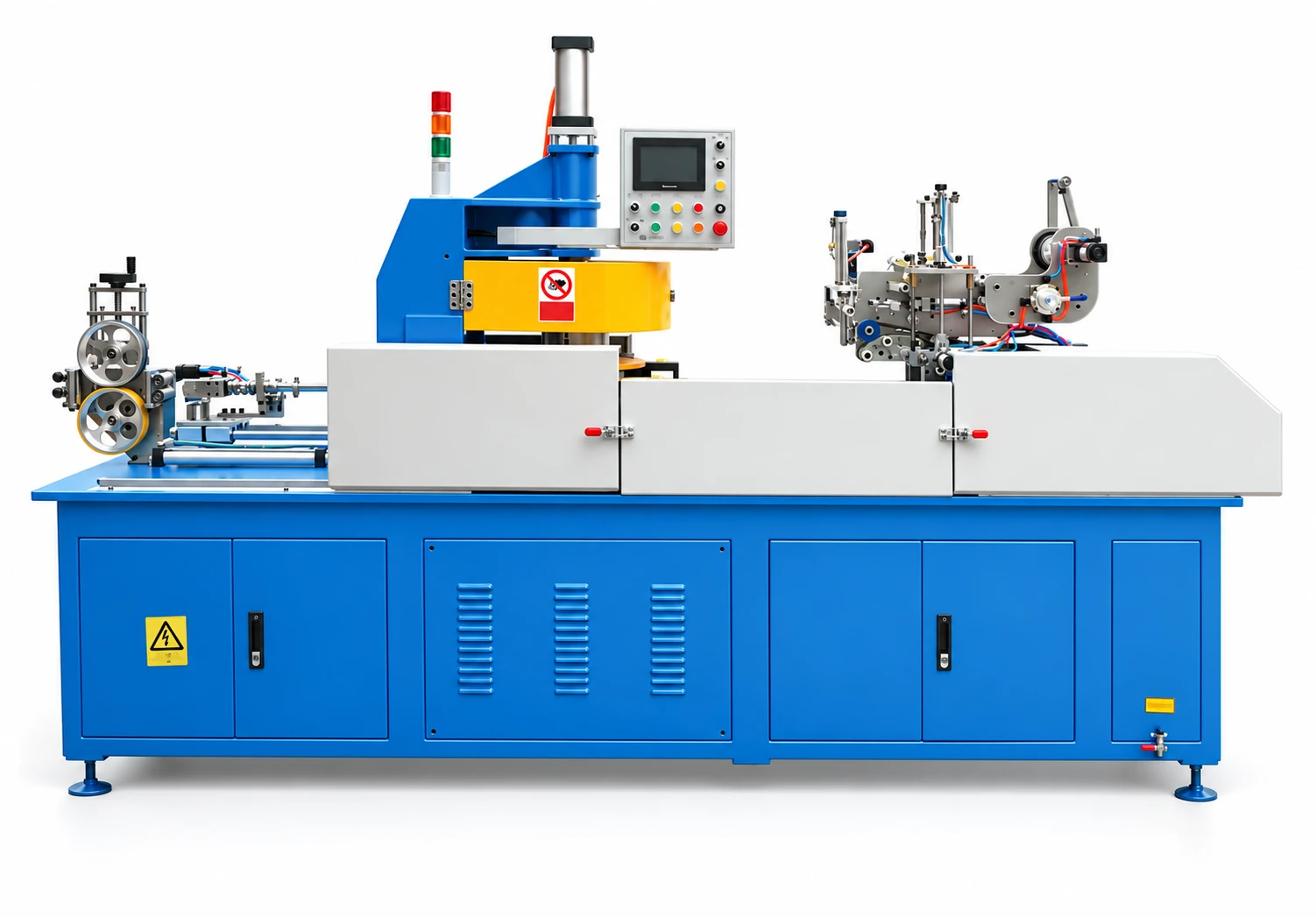
3D visualization: Automatic PLC coiling and wrapping machine

Auxiliary Equipment

Before choosing a model

Line interfaces, cable dimensions, reel sizes and finished package.

These are operations to review, not a fixed machine list. Your incoming material and cable construction determine the scope.

These are operations to review, not a fixed machine list. Your incoming material and cable construction determine the scope.

These are operations to review, not a fixed machine list. Your incoming material and cable construction determine the scope.

These are operations to review, not a fixed machine list. Your incoming material and cable construction determine the scope.

These are operations to review, not a fixed machine list. Your incoming material and cable construction determine the scope.

These are operations to review, not a fixed machine list. Your incoming material and cable construction determine the scope.

Showing Make one conductor from several wires.

Cable Production Lines by Application

Choose your finished cable to review the manufacturing route, equipment and configuration decisions. The line starts with the material you will buy or make in-house.

Conductor preparation, insulation, pair twisting, cable assembly and jacketing.

Decide firstCable category, conductor construction and shield layout.

Conductor bunching, insulation, sheathing and finishing.

Decide firstConductor construction, compound grades and any separate material treatment.

Conductor preparation, core insulation, laying-up where required, and sheathing.

Decide firstConductor cross-section, core count and insulation system.

Fine-conductor preparation, insulation, pair and core assembly, and jacketing.

Decide firstPair layout and shielding for bulk cable. Connector assembly is a separate scope.

Conductor bunching, core insulation, assembly, sheathing and cutting or coiling.

Decide firstFlexible conductor, cable shape and coil format. Plug assembly is a separate scope.

Centre-conductor preparation, dielectric extrusion and outer sheathing, with shielding interfaces reviewed.

Decide firstCentre conductor, solid or foamed dielectric and shielding interfaces.

Starting with bought-in conductors or cores?

Your equipment list may begin partway through the route. Review the incoming material, reels and quality requirements before deciding which upstream machines you need.

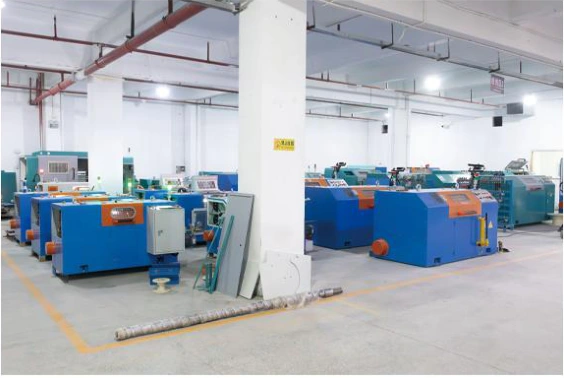
Blue machinery arranged inside the workshop shown in the PINYANG catalogue
Machines in the PINYANG workshop
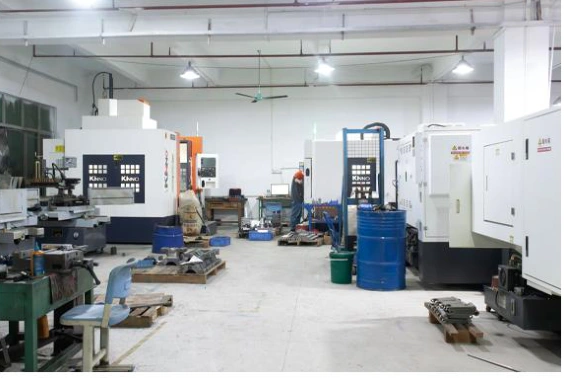
Machine tools in the manufacturing workshop shown in the PINYANG catalogue
Manufacturing environment

Manufacturing at PINYANG

Founded in 2013 in Dongguan, China, PINYANG manufactures wire and cable machinery for conductor preparation, cable assembly, insulation and sheathing.

Documented equipment range
Drawing, annealing, bunching, stranding, twisting, extrusion and supporting equipment.
Configuration starts with
Your cable drawing, compound grades, working range, reels and existing machinery.
What to review beyond the photographs

Use the catalogue to identify the relevant equipment family. Before ordering, review the proposed configuration, current equipment evidence and trial conditions for your actual cable and material. The equipment list should identify included, optional and separately supplied items.

Equipment capability, from conductor to finished cable

Rod breakdown, intermediate and fine-wire drawing, annealing, bunching and stranding. The working range starts with your incoming material and finished conductor construction.

Pair twisting, back-twisting and single-twist cabling for specified cable structures. Core sizes, lay lengths, tension and reel arrangements guide the machine configuration.

Extrusion equipment for power, data and specialty cable materials, with pay-off, cooling, haul-off and take-up reviewed together. Inspection and finishing items are defined in the equipment list.

What to verify for your own project

Match each piece of evidence to the machine and cable you plan to produce.

  • Relevant configurationReview the proposed machine, working range and included supporting units.
  • Representative productAgree suitable trial materials, checks and acceptance criteria.
  • Practical handoverConfirm drawings, operating information, installation duties and spare-parts scope.

Support for Your Production Project

Agree the deliverables and responsibilities alongside the equipment. Review these four support scopes before comparing proposals.

Define a machine list, working ranges and supply boundary for your cable.

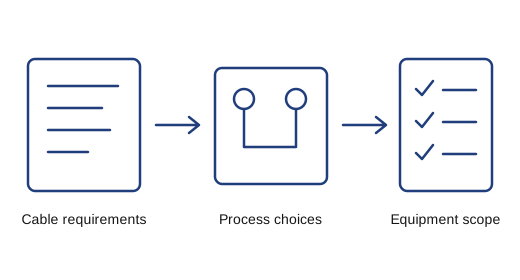
Cable requirements, process choices and equipment scope shown as a configuration workflow

Define the process before selecting the equipment.

Information to prepare
Cable drawing, material grades, working range and target output.
Scope to agree
Equipment list, selected configurations and process interfaces.

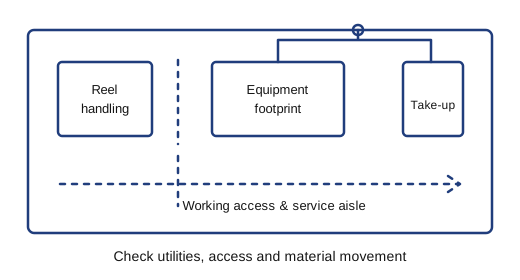
Plan equipment positions, access and utilities, and agree who handles each installation task.

Conceptual floor layout with machine footprint, service access, reel handling and utility connections

Plan access and utilities around the equipment footprint.

Information to prepare
Floor plan, reel movements, utilities and existing equipment.
Scope to agree
Layout requirements, installation responsibilities and start-up support.

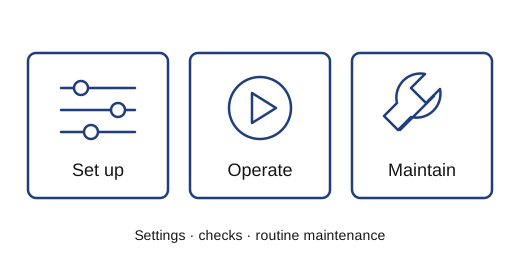
Define operating, adjustment and maintenance topics for the equipment your team will use.

Operator training sequence covering setup, operation and routine maintenance

Agree practical training for the supplied equipment.

Information to prepare
Operator experience, working language and the supplied machines.
Scope to agree
Operation, adjustment and routine-maintenance training arrangements.

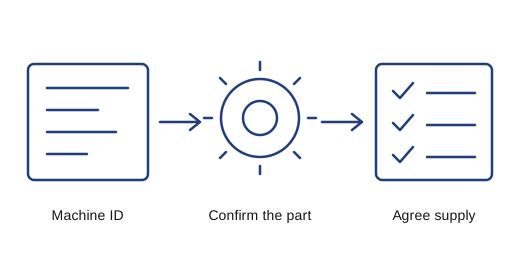
Identify parts, maintenance needs and troubleshooting information for the relevant machine.

Service request sequence from machine identification to part confirmation and supply scope

Identify the machine and part before agreeing the supply.

Information to prepare
Machine identification, maintenance needs and the issue to resolve.
Scope to agree
Spare-parts scope and technical-service arrangements.

What belongs in your cable production budget?

Compare the full project scope, not only the machine price. Use these six cost groups to check what each proposal includes.

Budget groupWhat to allow forQuestion for the proposal
Machinery & controlsMain process machines, drives and controlsWhat is included, optional or supplied separately?
Handling & process interfacesPay-offs, take-ups, reels, tooling and checksWhat must connect to the equipment you already have?
Factory & utilitiesFloor space, foundations, power, cooling and compressed airWhich site works and connections are your responsibility?
Delivery & installationPacking, freight, unloading and installation supportWhich delivery and on-site tasks are covered by the quotation?
Start-up & acceptanceTrial material, operator preparation and agreed checksWhat materials, time and acceptance criteria must be planned?
Operation & maintenanceConsumables, spare parts, maintenance and utilitiesWhich recurring costs sit outside the equipment purchase?
Compare quotations on the same basis

Confirm the cable range, incoming material, required output, included machines and acceptance conditions first. Separate one-time project costs from ongoing production costs; mark every unresolved item before comparing totals.

Prepare for your next purchase

Choose a scope to carry its preparation checklist into your brief.

Buy an individual machine

Define the missing operation and the equipment it must connect to.

Best starting point

You already know the operation or need a replacement machine.

Compare before choosing

  • Required input and finished product
  • Reel sizes and upstream/downstream interfaces
  • Space, utilities and operator access
What to prepare
  • Incoming and finished dimensions and material
  • Reel drawings and existing line information
  • Required output and current quality or capacity constraint

Upgrade an existing line

Find the limiting process before adding equipment.

Best starting point

You want more output, a wider cable range or a better-controlled process.

Compare before choosing

  • Measured bottleneck and actual operating conditions
  • Compatibility with existing controls and handling
  • Installation window and restart requirements
What to prepare
  • Existing machine list, layout and control information
  • Current output, product mix and target change
  • Photos or drawings of the interfaces to retain

Build a new production line

Work backwards from the finished cable to the processes you will run in-house.

Best starting point

You are planning a new cable line or your first production facility.

Compare before choosing

  • Cable range and bought-in starting material
  • Process route, utilities and factory layout
  • Start-up materials, training and acceptance plan
What to prepare
  • Cable drawings, materials and expected product mix
  • Output per shift, working hours and expansion plans
  • Available building layout, power and utility information

Installation, training and service arrangements are defined in the agreed project scope.

Before You Choose Your Equipment

Which machines are needed to manufacture our cable?

Start with the cable construction, conductor sizes, insulation and sheath materials, shielding and finished dimensions. Then identify your incoming material: rod, drawn wire, prepared conductor or insulated cores. This determines where the route begins. State the required finished metres or coils per shift and working hours; catalogue maximum speeds alone do not establish complete-line output.

Can we buy one machine or upgrade an existing production line?

Yes. For a single machine, define the operation, incoming and finished product, reel sizes and connections to the existing line. For an upgrade, share the current equipment and the process limiting output or product range. Review those interfaces before fixing the machine configuration, and include any later expansion in the discussion.

What affects the cost of a cable production line?

Cable construction, materials, working range, output requirements, automation, handling, tooling and inspection all affect the equipment package. Separate machinery from site works, utilities, installation and production start-up costs. Compare itemised proposals for the same scope, with included, optional and buyer-supplied items identified. Price and delivery timing are confirmed for the agreed configuration.

What installation, training and service support should we include?

Agree the equipment layout, utility connections, installation and start-up responsibilities, operator training topics, documentation and spare-parts scope before ordering. Local lifting, foundations, wiring, travel and other site costs should be assigned explicitly. For support on existing equipment, provide the machine identification, operating conditions and a clear description of the part or issue.

Prepare Your Cable Machinery Brief

Choose your cable and project scope, add what you know, then review and download your brief. You can leave undecided specifications open.

Bring these details, if available

Your cable
Construction, conductor sizes, core or pair count, insulation and sheath materials.
Your production target
Finished metres or coils per shift, working hours and the product range.
Your factory
Existing equipment, available floor space and the scope you want to purchase.

A cable drawing or a description of your target product is enough to start organizing the brief. Record anything still undecided as an open question.

Company & project details (optional)

Prepare and download a project brief locally. No inquiry is sent.

Your Project Brief

Review your details before downloading.

Prepared locally. Not sent.