Skip to content
PINYANG MACHINERY

Production line configuration

LAN & Data Cable Production Line

Plan conductor preparation, insulation, pair twisting, cable assembly and jacketing around your category and shielding construction.

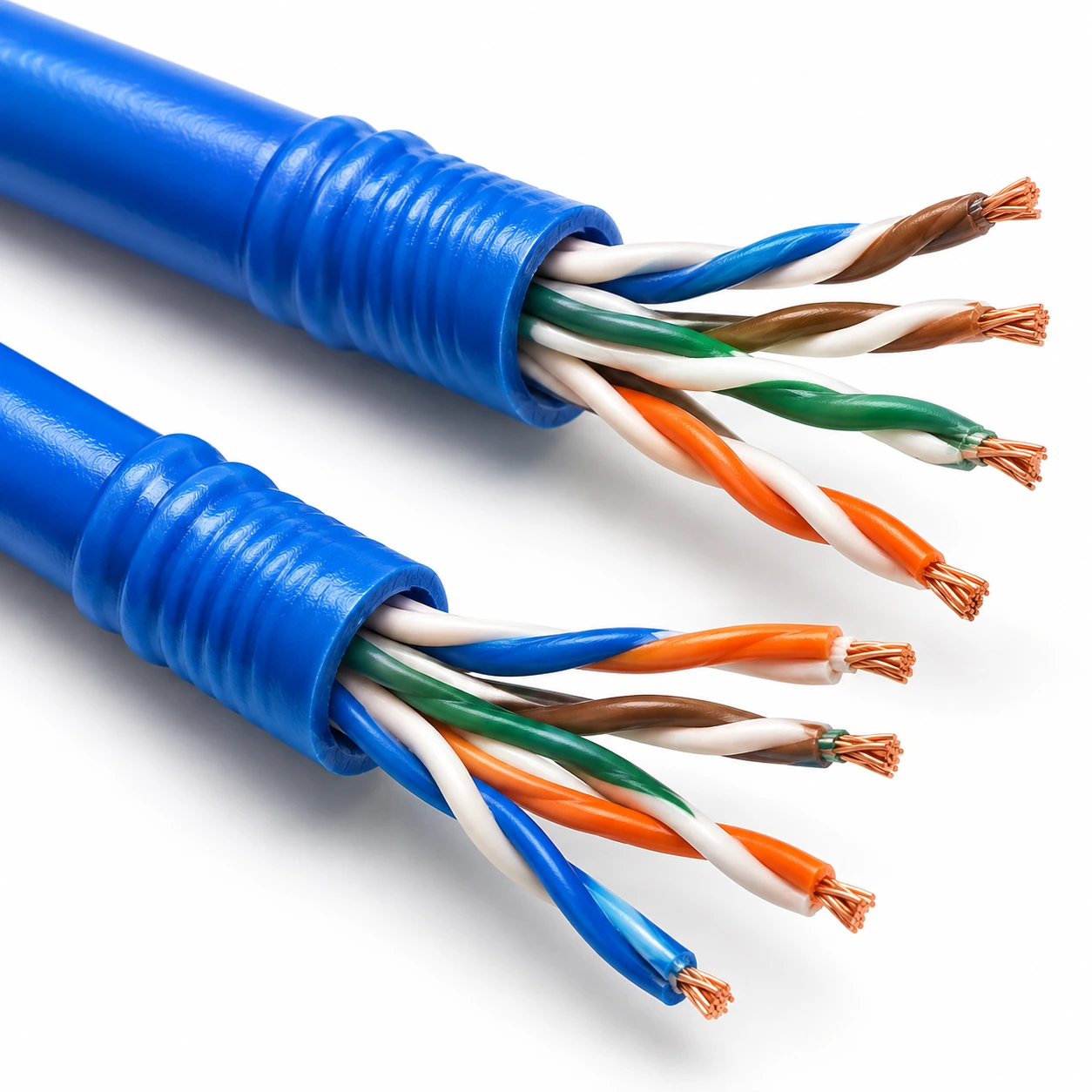
LAN cable illustration showing exposed twisted conductor pairs
LAN & Data CableApplication illustration

Define the cable you want to produce

Cable category, conductor size, pair construction, shielding, jacket material and target output.

Conductor → insulation → twisted pairs → cable assembly → sheath

Indicative process route; confirm against your cable drawing.

Selection priority

Category, pair geometry and shielding

Choose where your production begins

The point at which material enters your factory changes the investment in conductor preparation, insulation and pair formation. Keep the finished cable specification identical when comparing these options.

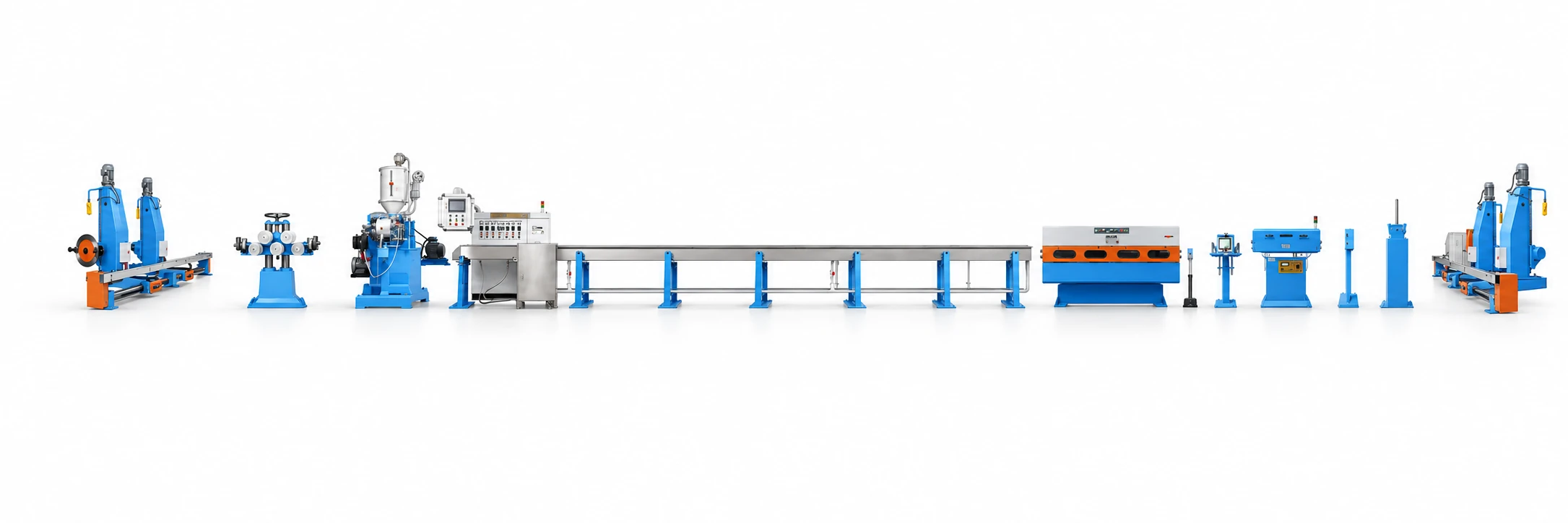
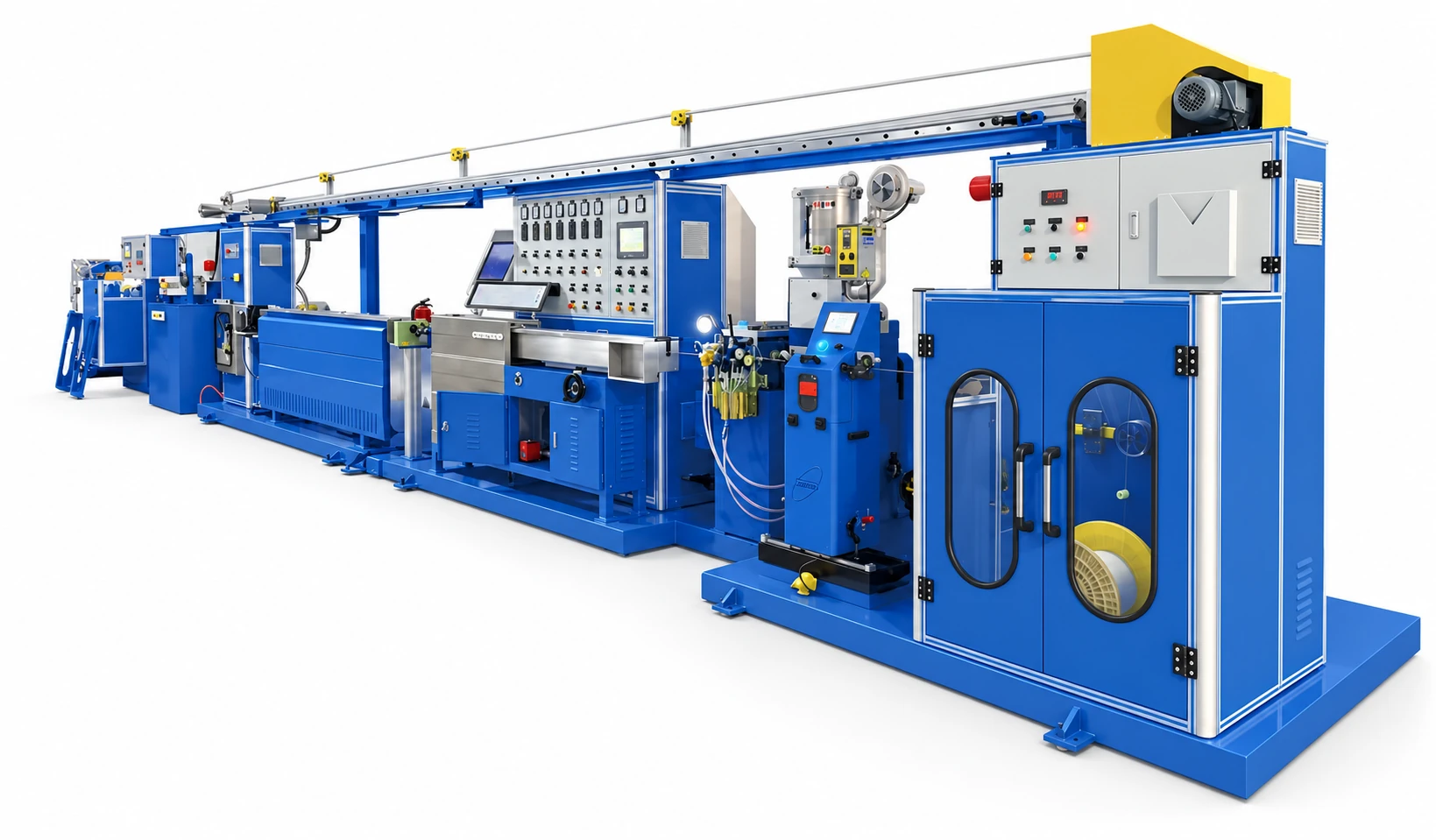
3D visualization: Power-cable extrusion line shown in the PINYANG catalogue
Catalogue insulation and sheathing equipmentRelated extrusion-stage context; the LAN compound, core dimensions and configuration require review.
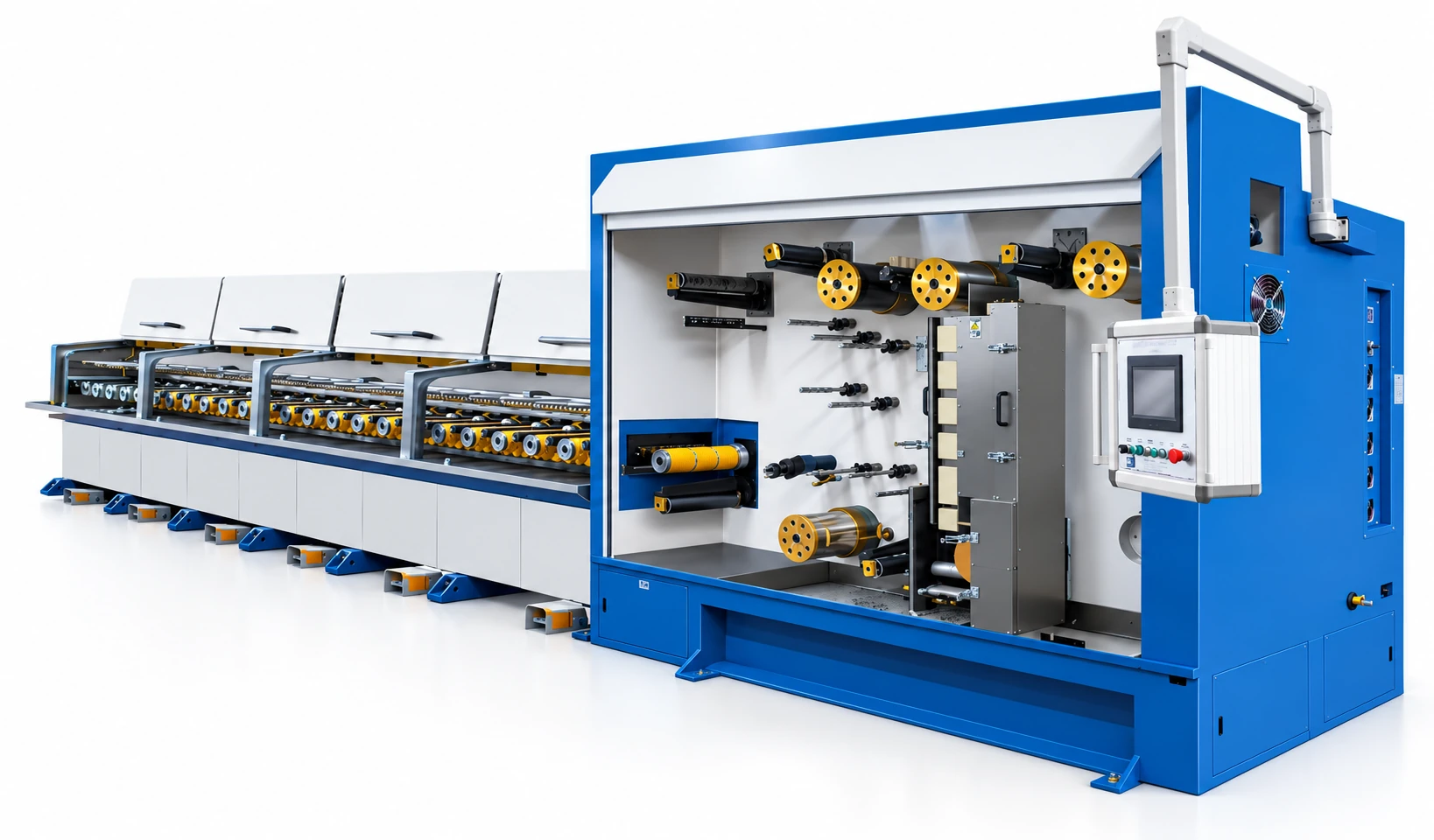
3D visualization: In-line multi-wire drawing machine with online annealer
Catalogue multi-wire drawing with online annealingConductor-preparation example; match material, feedstock and finished wire dimensions.
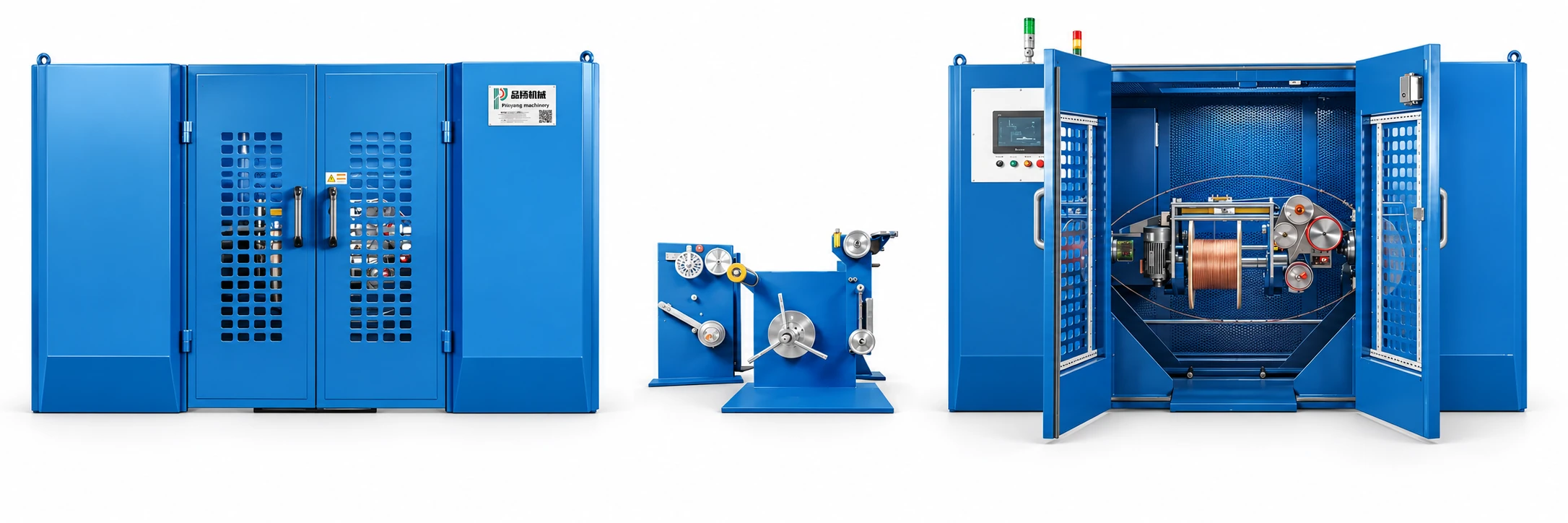
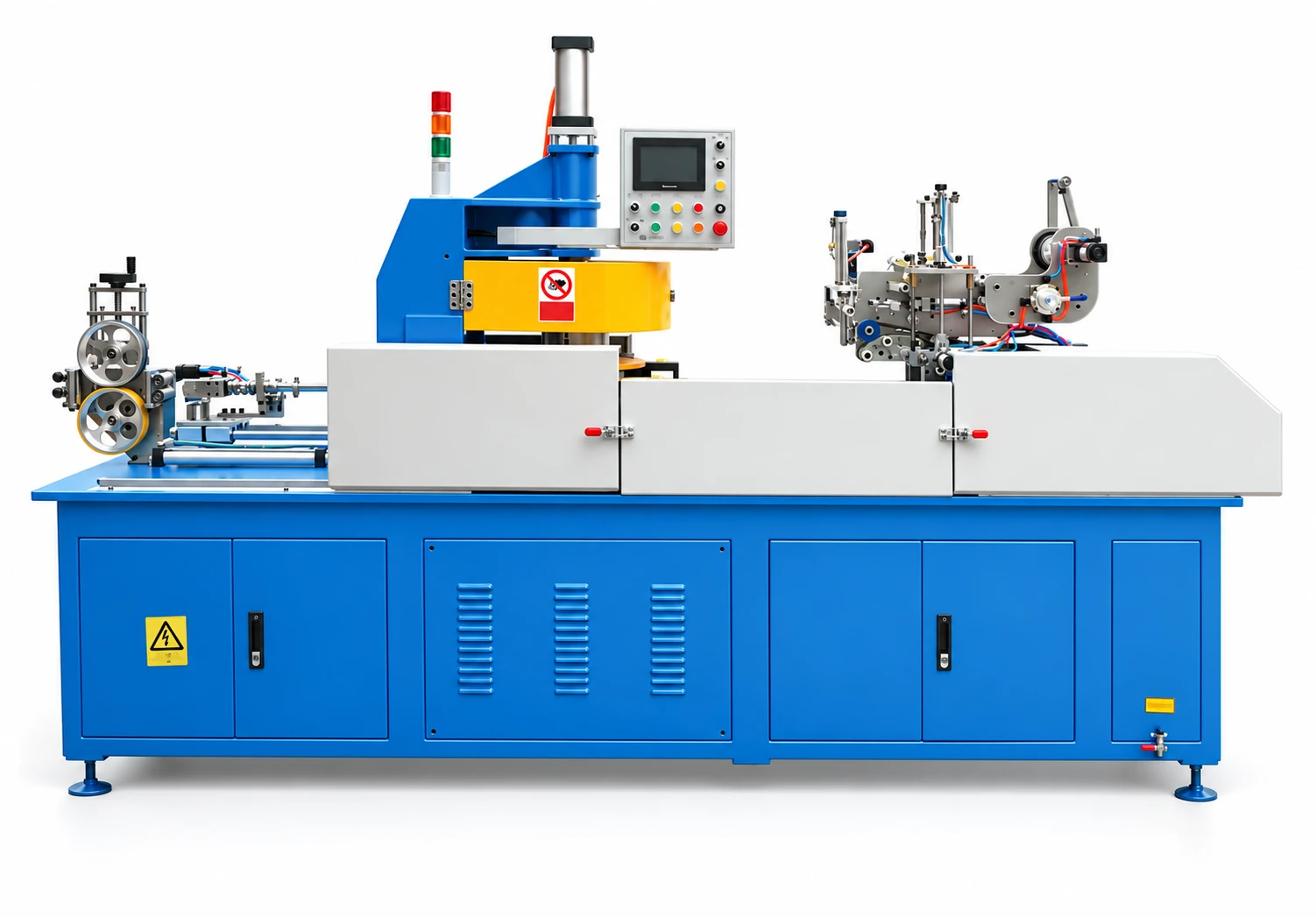
3D visualization: Pair-twisting equipment shown in the PINYANG catalogue
Catalogue pair-twisting equipmentPair formation may be needed for purchased cores; this stage can be omitted when suitable finished pairs are bought.
Compare the equipment boundary

Buy conductor ready for insulation

  1. Insulate
  2. Twist pairs
  3. Assemble
  4. Jacket

Insulation → pair twisting → pair assembly → specified shields → jacket and finishing.

Supply boundary & incoming-material checks
Outside or separately confirmed
Conductor drawing and annealing can sit outside the initial purchase.
Check the incoming material
Incoming conductor diameter, condition, material and reels; insulation geometry and pair requirements remain part of the line review.
Compare the equipment boundary

Prepare the conductor in-house

  1. Prepare conductor
  2. Insulate
  3. Twist & assemble
  4. Jacket

Drawing and any required annealing precede insulation, pair formation, assembly and finishing.

Supply boundary & incoming-material checks
Outside or separately confirmed
Start from your actual feedstock; rod breakdown and fine-wire drawing are different stages.
Check the incoming material
Feed diameter, finished wire range, wire condition, drawing utilities and transfer reels.
Compare the equipment boundary

Buy insulated cores or twisted pairs

  1. Review cores / pairs
  2. Twist pairs if needed
  3. Assemble
  4. Specified shields
  5. Jacket

Start at pair twisting when buying cores, or at assembly when buying finished pairs. Add the shields and jacket shown on the drawing.

Supply boundary & incoming-material checks
Outside or separately confirmed
Conductor and insulation equipment may be excluded; pair twisting may also be excluded for purchased pairs.
Check the incoming material
Incoming dimensions, pair lay where applicable, material traceability and acceptance criteria for the bought-in product.

This defines a discussion scope. The final equipment list follows the cable drawing and technical review.

Explore the production route

Select a stage to see its role, equipment and the interface to confirm.

3D visualization: In-line multi-wire drawing machine with online annealer
Multi-wire drawing with online annealing
LAN & Data Cable

Conductor preparation

Prepare the conductor dimensions and condition needed by the next operation.

Input
Specified rod or incoming wire
Output
Wire at the specified diameter

Confirm the interfaceMaterial compatibility, incoming and finished diameter, annealing needs and supply reels.

3D visualization: Power-cable extrusion line shown in the PINYANG catalogue
Insulation and sheathing equipment example
LAN & Data Cable

Insulation extrusion

Apply the specified insulation around each conductor. Material and cable geometry determine the configuration.

Input
Prepared conductor
Output
Insulated core

Confirm the interfaceCompound grade, wall thickness, finished diameter, cooling and in-line inspection.

3D visualization: Pair-twisting equipment shown in the PINYANG catalogue
Pair-twisting equipment
LAN & Data Cable

Pair twisting

Twist insulated cores into the pairs required by the cable drawing. This precedes final pair and core assembly.

Input
Individual insulated cores
Output
Twisted pairs

Confirm the interfaceCore diameter, pair lay, back-twist requirements and the reels used by the cabling stage.

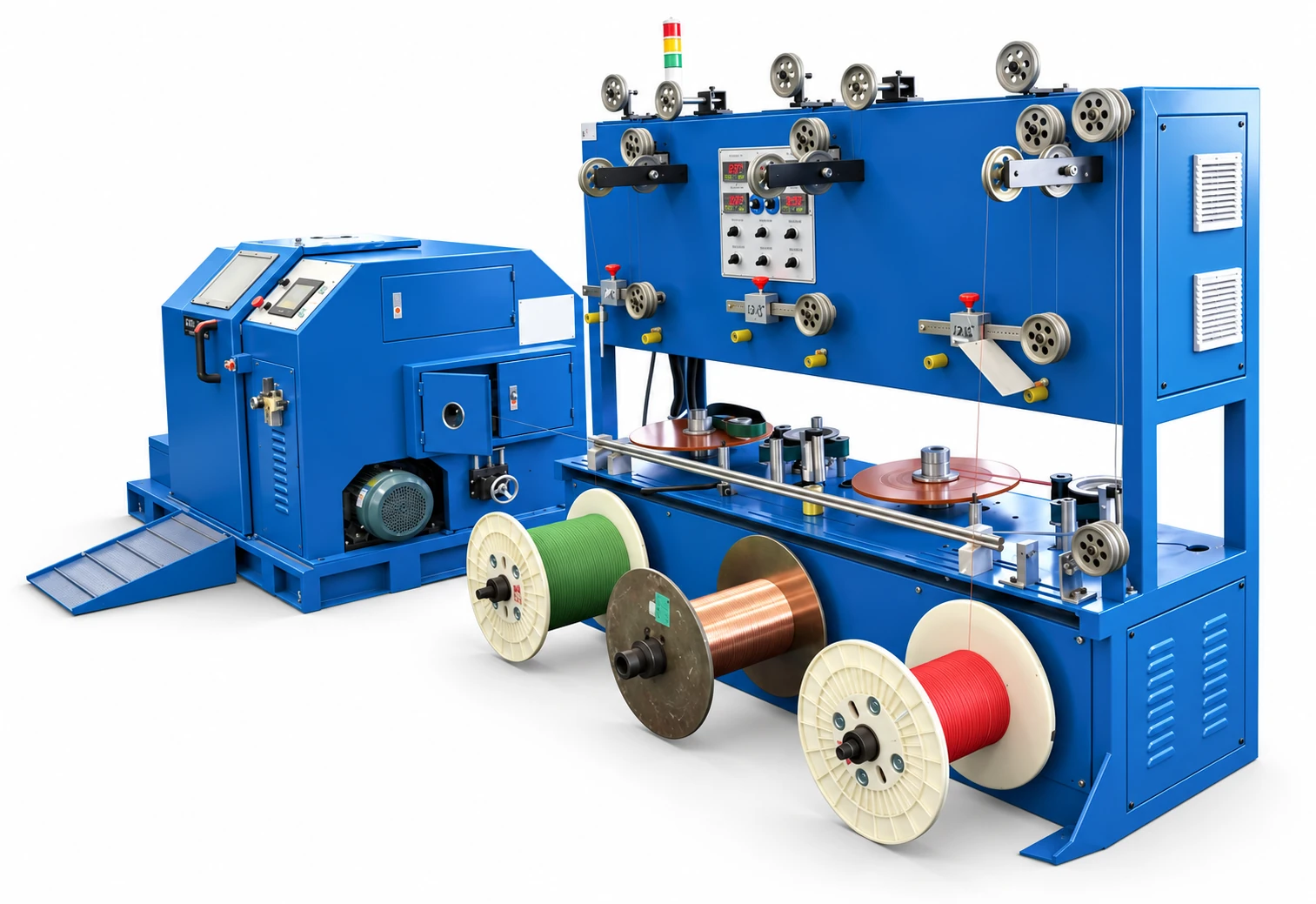
3D visualization: Cantilever single-twisting machine with material-handling stands
Cantilever single-twisting machine
LAN & Data Cable

Pair assembly

Assemble the cores or pairs specified on the cable drawing, with the required lay and handling arrangement.

Input
Insulated cores or twisted pairs
Output
Assembled cable core

Confirm the interfaceCore or pair count, lay, fillers, tape requirements and take-up format.

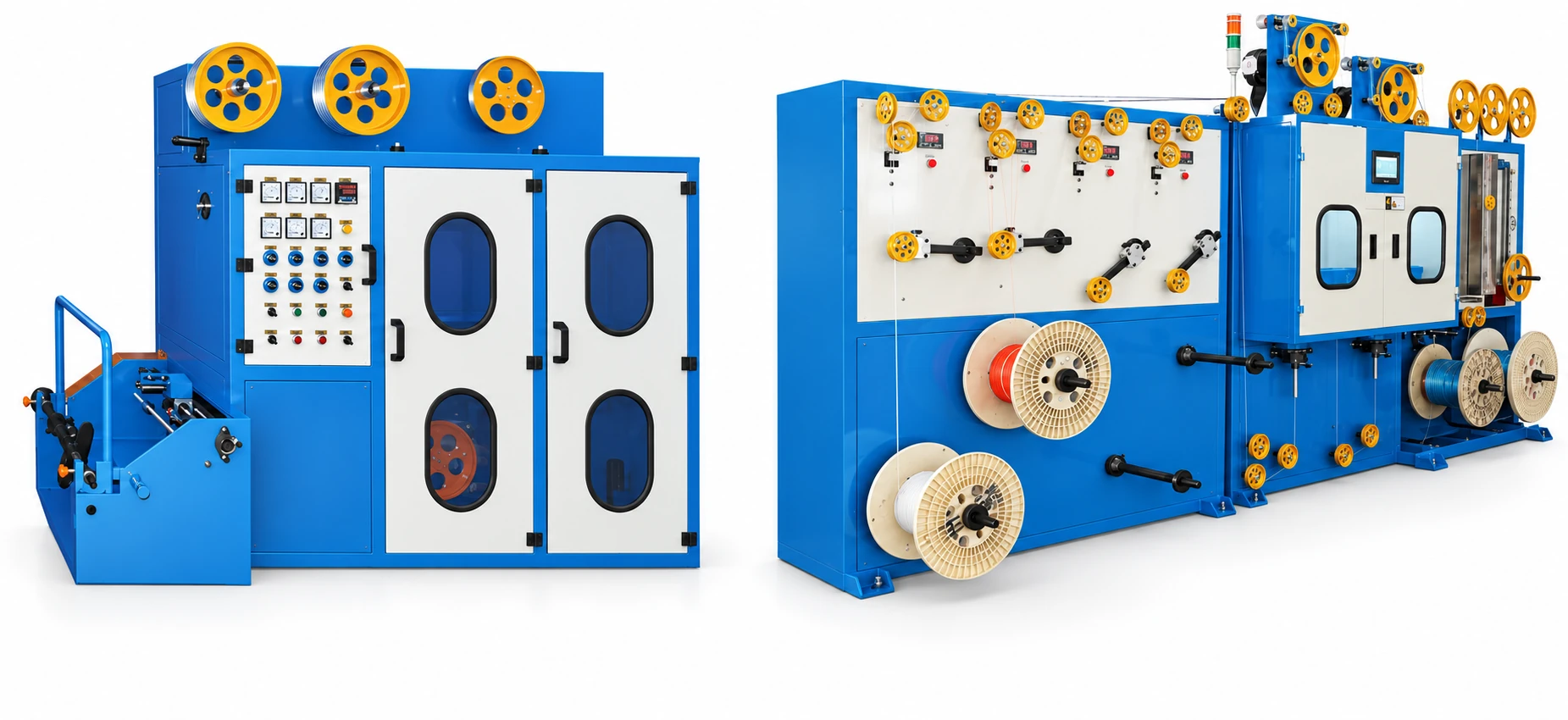
3D visualization: Single- and double-layer cable taping equipment
Single / double-layer taping equipment
LAN & Data Cable

Shielding interfaces

Locate the tape, foil or braid operations required by the specified cable construction.

Input
Prepared core or dielectric
Output
Core with specified shield layers

Confirm the interfaceConfirm each layer and its supply responsibility. The photograph shows taping equipment, not a complete braiding package.

3D visualization: Power-cable extrusion line shown in the PINYANG catalogue
Power-cable extrusion example
LAN & Data Cable

Sheathing & finishing

Apply the outer layer and plan inspection, take-up and the final reel or coil.

Input
Assembled cable core
Output
Sheathed cable in the agreed package

Confirm the interfaceJacket compound, finished dimensions, take-up reels and any separate final testing.

Compare the construction choices

A different cable structure can change machines, tooling and supply responsibilities. Compare these choices before agreeing the equipment list.

3D visualization: Single- and double-layer cable taping equipment
Catalogue single / double-layer taping equipmentTaping-stage example for specified screens; this is not a braiding package.
3D visualization: Pair-twisting equipment shown in the PINYANG catalogue
Catalogue pair-twisting equipmentPair-formation example; category performance and the working range require confirmation.
LAN cable illustration showing exposed twisted conductor pairs
LAN cable construction — application illustrationInsulation-design review; this illustration does not show or verify a foaming line.

Unscreened pairs or screened constructions

Unscreened cable still needs controlled pair and assembly handling. Pair screens and overall screens introduce separate tape, drain-wire or braid interfaces.

What changes

A screened construction adds process positions and material handling; it is not simply an extra option on the jacket extruder.

Confirm before selection

Draw every screen layer and state where it is applied. Identify who supplies any braiding equipment.
A defined category range

Review conductor dimensions, insulation geometry, pair lays, separators and assembly for every proposed category.

What changes

Sharing equipment may require tooling, reel or process changes. The most demanding construction does not automatically cover every smaller product.

Confirm before selection

Provide representative drawings at both ends of the intended range and a finished-cable validation plan.

Solid or foamed insulation

The compound and dielectric construction determine the insulation equipment, feeding and dimensional controls.

What changes

Changing the dielectric process can change the upstream material system and downstream cooling, not only the extrusion head.

Confirm before selection

Supply the actual compound information, conductor and insulated-core dimensions; confirm the foaming configuration separately.

Explore the equipment for this cable

Open an equipment family to compare machine types and reference specifications.

Agree the output, site and acceptance basis

A connected line needs a common specification at every handover. Use these points to test whether the proposed scope is complete.

Production target

Capacity across cores, pairs and cable

Finished-cable metres and insulated-core metres describe different quantities.

Review the planning details

Build the required core and pair output from the actual construction, then include changeovers, intermediate reels and any off-line shielding stage.

Factory interfaces

Factory flow

Plan separate storage and movement for conductor reels, insulated cores, twisted pairs and the assembled cable.

Review the planning details

Match supply and take-up reels before fixing the spacing between the production stages.

Acceptance plan

Trial and acceptance

Agree the cable drawing, trial materials, category test requirements and the checks assigned to each process.

Review the planning details

Record how dimensions and pair construction will be checked, then validate the finished cable; an equipment category label is not a passing test report.

Put responsibilities in writing

Identify who provides trial materials, utilities, reels, testing and any external process. Agree how results will be recorded and what must be resolved before acceptance.

Compare investment on the same scope

A useful budget separates the machines from plant preparation, external processing and start-up requirements. No standard package price can replace a defined cable specification.

Configuration and purchasing choices that change the budget
DecisionWhat enters the scopeHow to compare
Core and pair capabilityConductor preparation, dielectric process, pair twisting and the defined range of lays.Keep the same conductor, insulation and pair designs in each quotation.
Screened-product scopeTaping positions, drain-wire handling, additional reel transfers and any separate braiding.List each shield layer and supplier responsibility instead of using a single “shielded line” description.
Phased purchaseStart from purchased conductor, cores or pairs only if their supply and quality can support the intended cable.Ask which reels, floor space and interfaces should be reserved for later upstream equipment.
3D visualization: Pair-twisting equipment shown in the PINYANG catalogue
Catalogue pair-twisting equipment

Use the catalogue as a starting point

The catalogue distinguishes pair-twisting equipment from final cable assembly. That distinction helps define two separate duties in a LAN project.

The photograph does not establish category performance. Confirm lay range, reel arrangement, back-twist needs and trial criteria for the proposed cable.

Prepare your line-planning requirements

Category & construction

Define the exact category and cable drawing before matching equipment.

UTP, FTP or other shielding

Different structures introduce different assembly and shielding stages.

Solid or foamed insulation

The dielectric design guides the insulation process discussion.

Finished package

Specify cable length, reel or coil format and identification requirements.

Application questions

Can one setup cover all LAN categories?

A category name alone is not a machine specification. The conductor, insulation, pair and shielding design must be reviewed to define a suitable product range.

Is shielding equipment part of the discussion?

Yes. The catalog’s application routes include shielded constructions. The exact shielding equipment and supply scope should be confirmed with the proposal.

What should I send first?

A cable drawing or sample specification, the target category, material details and intended output provide a useful starting point.

Can we start with purchased pairs and add upstream equipment later?

Yes, this can be reviewed as a phased scope. First define acceptance for the purchased pairs and match their reels to assembly. Reserve the interfaces and floor space for future insulation and pair-twisting stages; adding them later still requires a technical review.

What should be demonstrated before accepting the line?

Agree a representative cable drawing, compounds, conductor and trial conditions. Separate machine operation checks from dimensional, construction and finished-cable category testing. State the criteria, sample preparation and responsibility for each test in the proposal.

Your Project Brief

Share the cable you want to make and the scope of your project.

Company & project details (optional)

Prepare and download a project brief locally. No inquiry is sent.

Your Project Brief

Review your details before downloading.

Prepared locally. Not sent.